
Choosing the right pedicure chair is an important decision for any nail salon, beauty suite, spa, or training program. Once equipment is purchased, delivered, and installed, changing it later can be costly and disruptive. Taking time to compare available systems before buying helps ensure you select a setup that supports your salon layout, sanitation priorities, technician workflow, and client comfort.
This pedicure chair buying guide explains what to consider before purchasing, compares the main system types, and highlights the practical factors that affect installation, maintenance, and long-term value.
For a broader overview, see our Complete Pedicure Chair Guide.
What to Consider Before Buying a Pedicure Chair
Before comparing specific pedicure chair models, it helps to evaluate how the station will actually function in your space.
- Salon layout and available space: Pedicure chairs require significant floor space.
- Plumbing availability: Installation may require plumbing and permits.
- Sanitation requirements: Disposable liners simplify hygiene.
- Technician workflow: Proper ergonomics improve efficiency.
- Installation cost: Setup requirements vary significantly.
- Flexibility: Movable systems allow future changes.
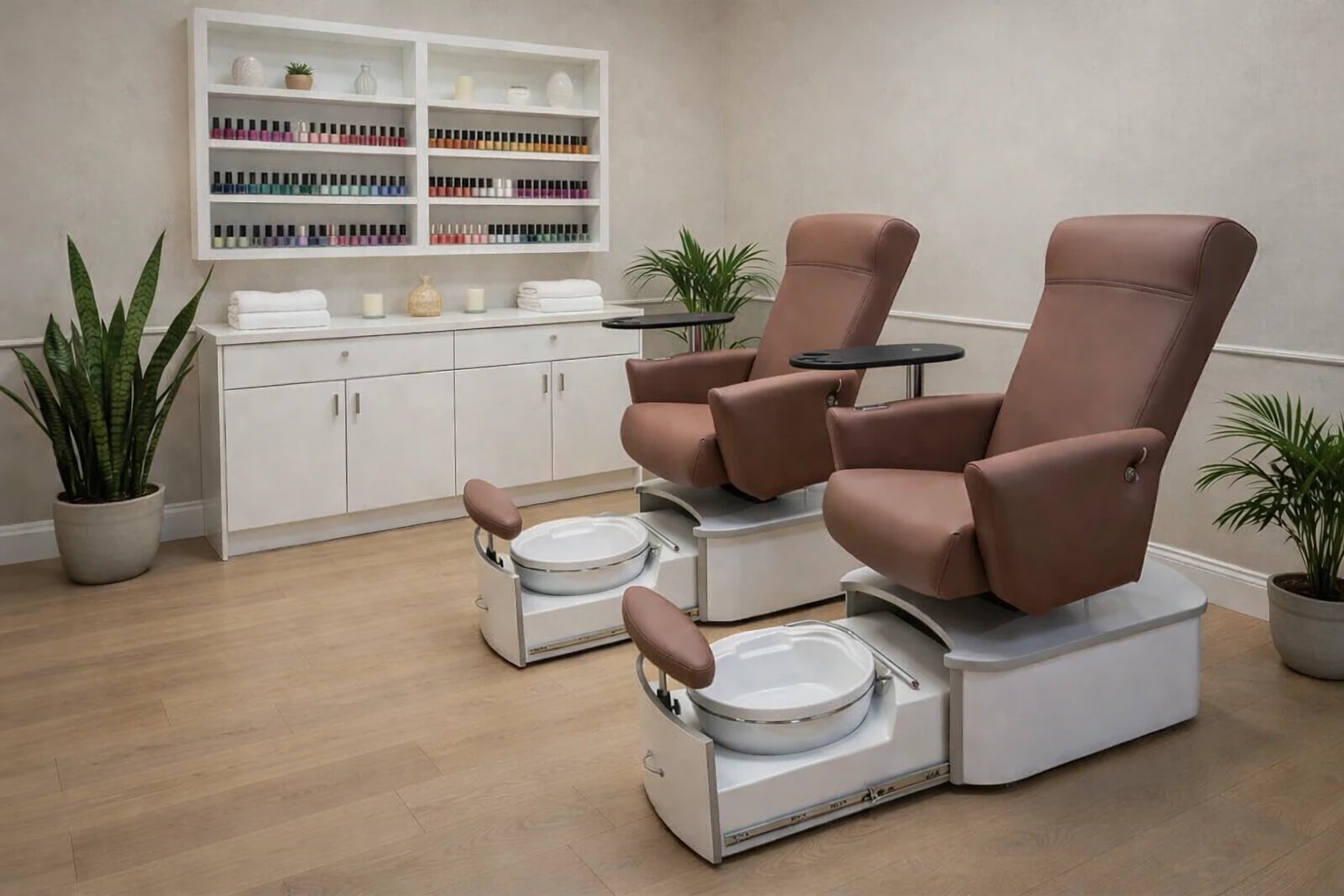
Element Pedicure Chair in No Plumbing Version
Main Types of Pedicure Chairs
Pedicure chairs are typically available in three main system types, each with different installation, sanitation, and maintenance characteristics.
Plumbed Pedicure Chairs
Plumbed chairs connect directly to the building’s water supply and drainage system and are commonly used in larger salons with permanent layouts.
Non-Plumbed Pedicure Chairs
Non-plumbed systems do not require direct plumbing connections and offer greater flexibility and easier installation.
Jet Pedicure Spa Systems
Jet systems circulate water during service and provide a traditional spa experience, but typically require more maintenance.
Learn more: Plumbed vs Non-Plumbed Pedicure Chairs
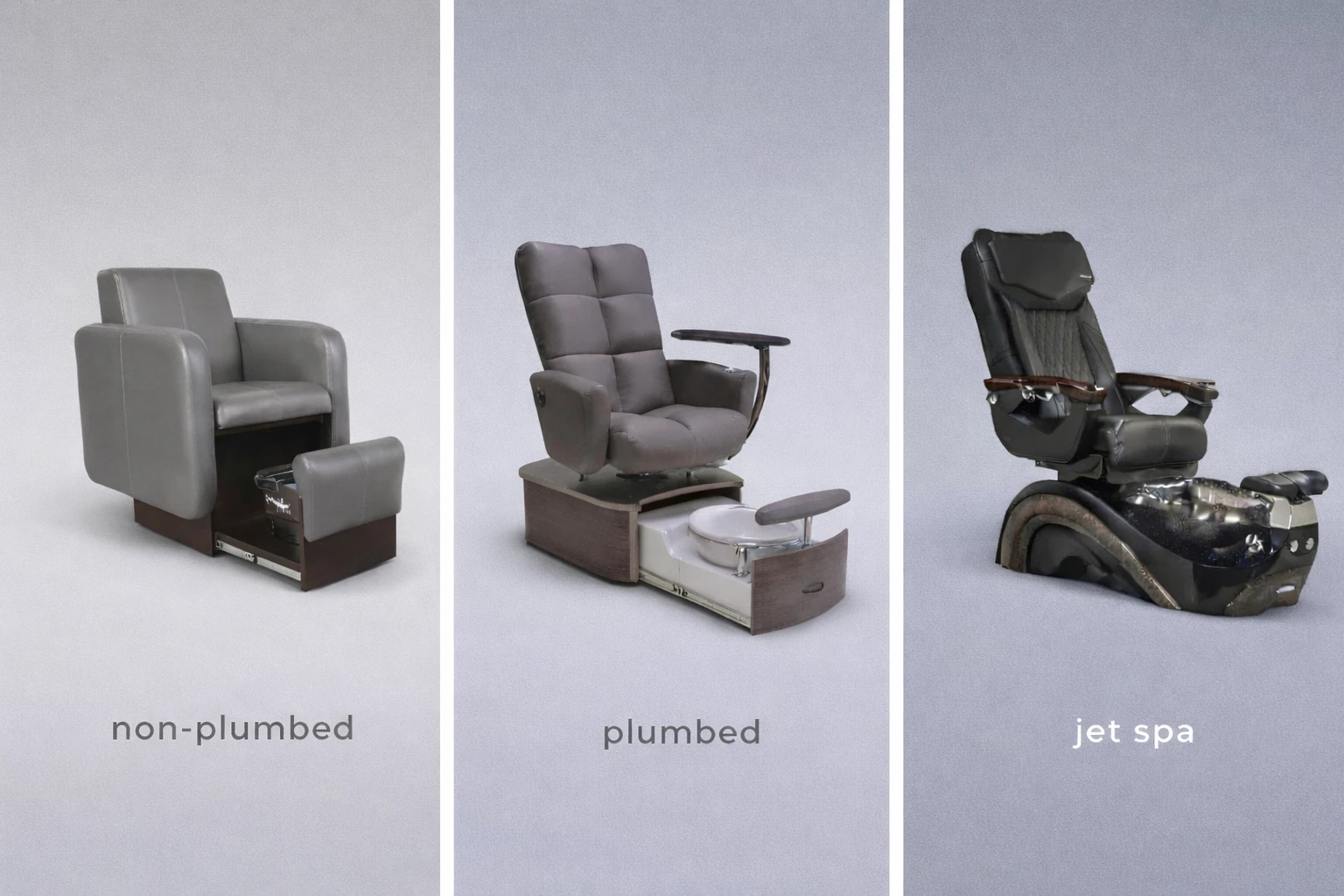
Types of Pedicure Chairs
Important Features to Evaluate
Once you determine the type of system you want, the next step is comparing practical buying features.
- Ease of sanitation: Look for systems with smooth, easy-to-clean surfaces, removable components, or disposable liners.
- Mobility and flexibility: Some stations are fixed in place, while others can be repositioned if your layout changes.
- Client comfort: Comfortable seating, proper legroom, and a pleasant service experience all matter.
- Technician ergonomics: Basin placement, working height, and ease of access can affect productivity and long-term comfort.
- Maintenance burden: Systems with more internal pipes, pumps, or jet components usually require more upkeep.
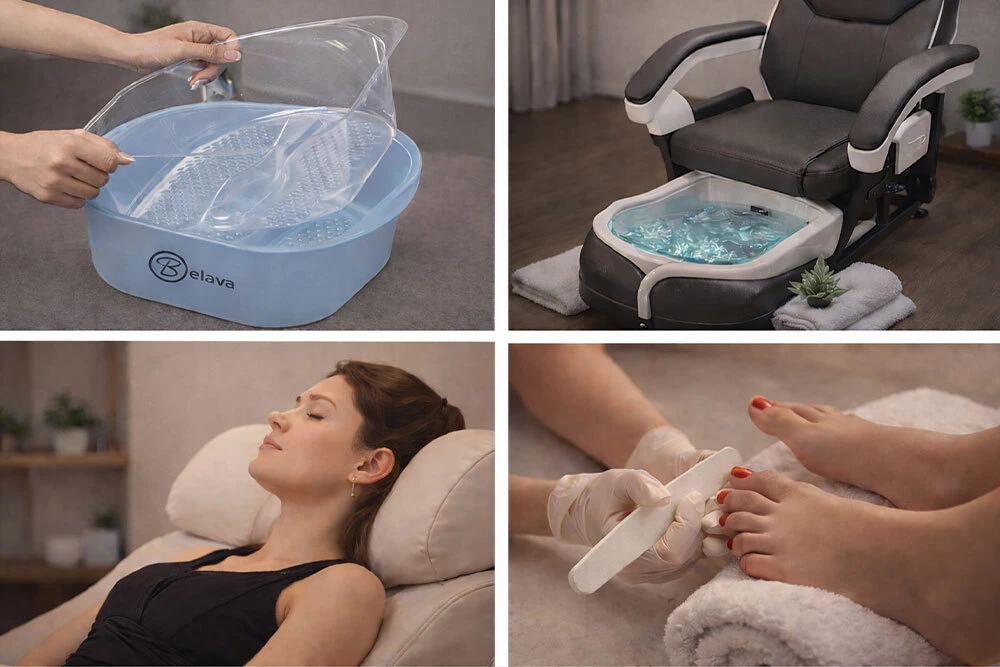
Important Features
Installation and Setup Considerations
The true cost of a pedicure chair is not just the purchase price. Installation can have a major impact on the final investment.
Plumbed systems may require:
- Water supply connections
- Drainage installation
- Electrical connections
- Permits for remodeling or new salon locations
- Possible floor modifications, especially in older buildings
Non-plumbed systems generally require much less setup work, making them faster and less expensive to install.
Learn more: Pedicure Chair Installation Requirements | Pedicure Chair Plumbing Guide
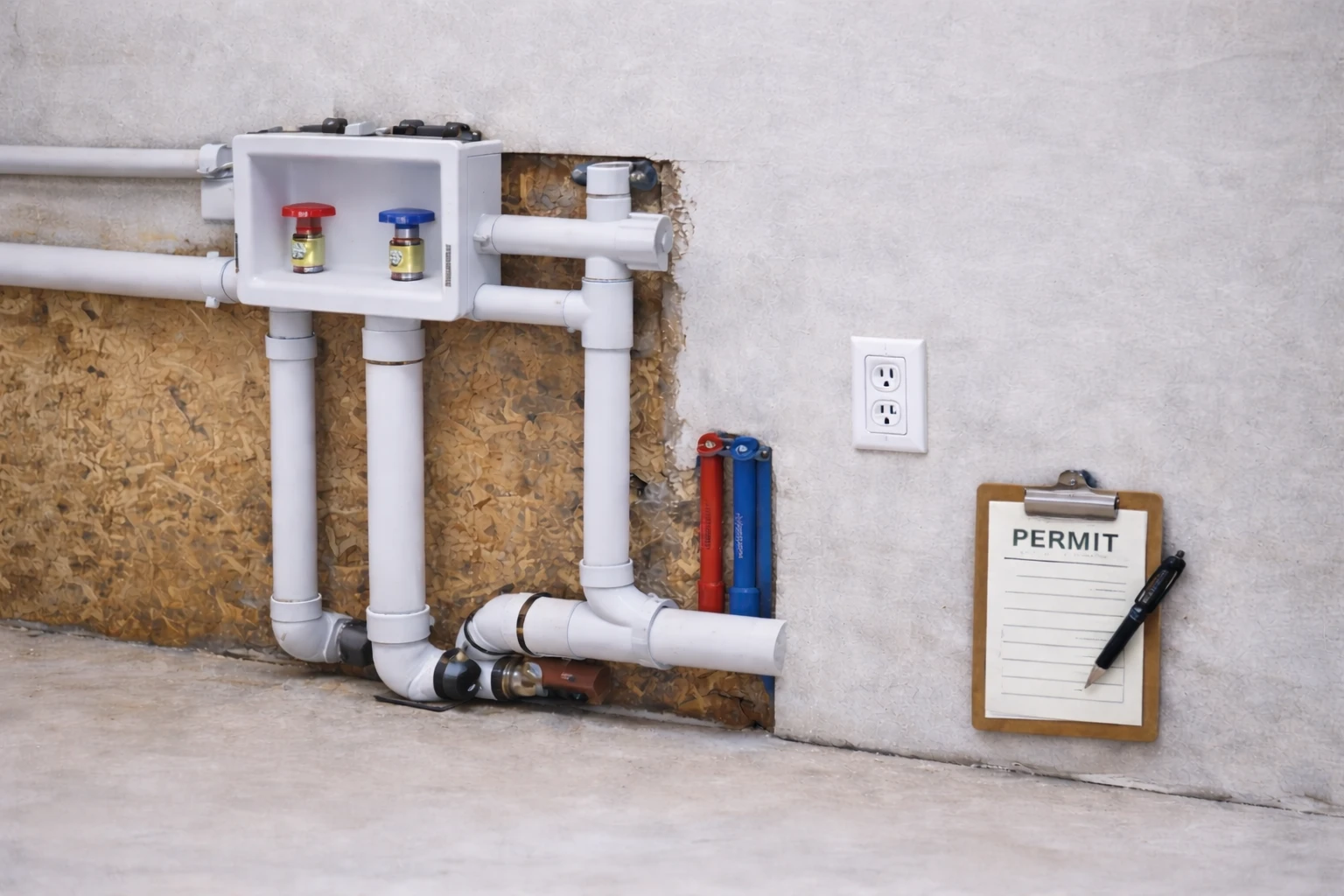
Installation Setup
Maintenance and Operating Costs
Ongoing maintenance should always be part of the buying decision. Beyond the initial purchase, pedicure systems can create continuing costs in time, labor, and replacement parts.
- Cleaning time between services
- Replacement parts such as pumps or jet components
- Plumbing maintenance
- Replacement liners or sanitation supplies
In general, systems with fewer internal pipes or removable components may be simpler to maintain and may reduce long-term operating costs.
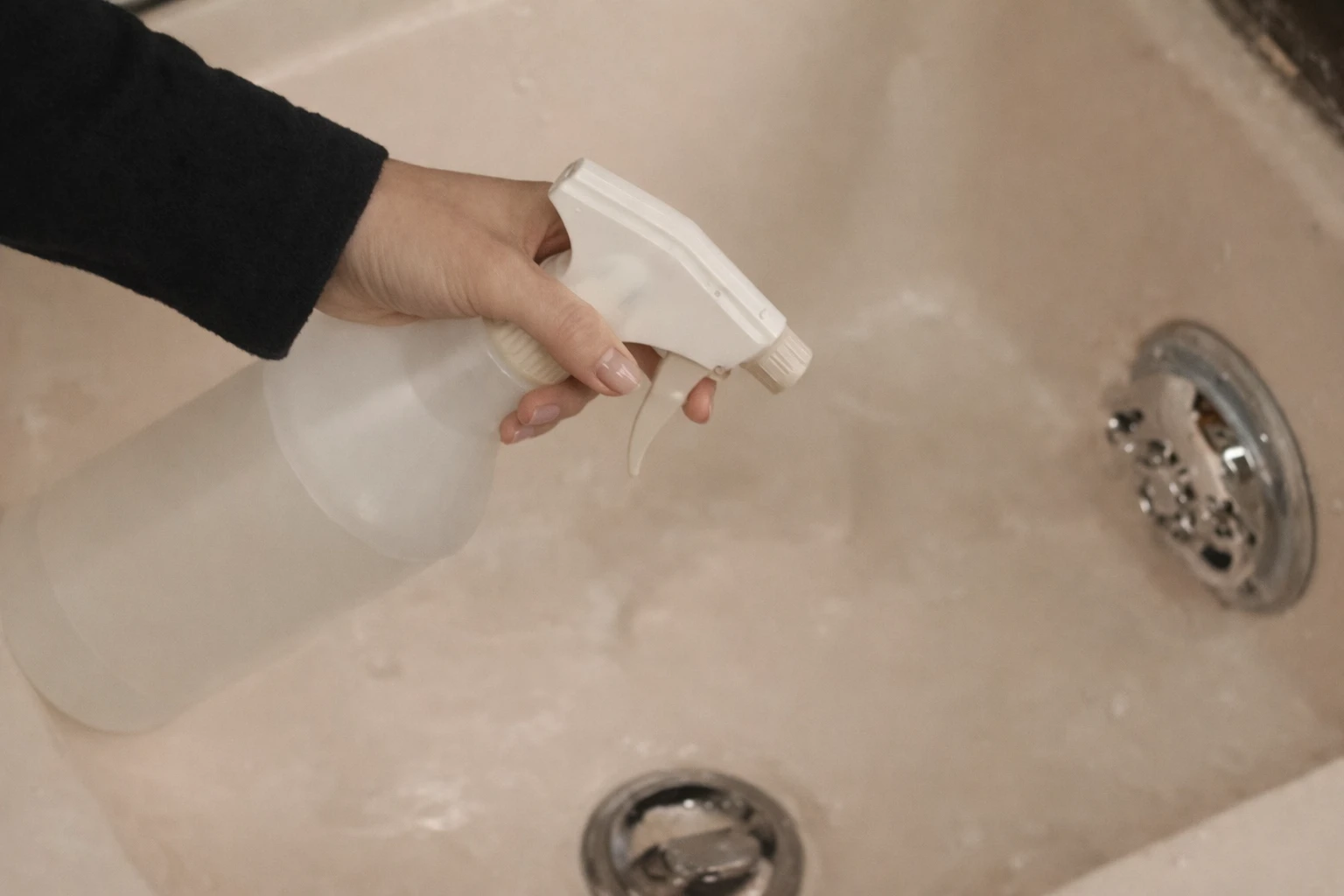
Maintenance
Choosing the Right Pedicure Chair for Your Salon Type
Small Nail Salons
Smaller salons often need to maximize space and flexibility. Compact or non-plumbed systems can work especially well where every station must be carefully planned.
Beauty Suites and Independent Technicians
In suites and smaller single-operator spaces, non-plumbed systems are often easier to install and maintain, especially where plumbing changes are difficult or expensive.
Large Nail Salons
Larger salons with established plumbing infrastructure may choose plumbed pedicure chairs for a more permanent setup and continuous water flow.
Luxury Spas and High-End Salons
Luxury environments often place greater emphasis on comfort, aesthetics, and premium features, while still requiring practical sanitation and maintenance planning.
Beauty Schools and Training Programs
Beauty schools often need equipment that balances durability, sanitation, ease of maintenance, and practical teaching value. In many cases, non-plumbed systems can be especially useful in classroom environments.
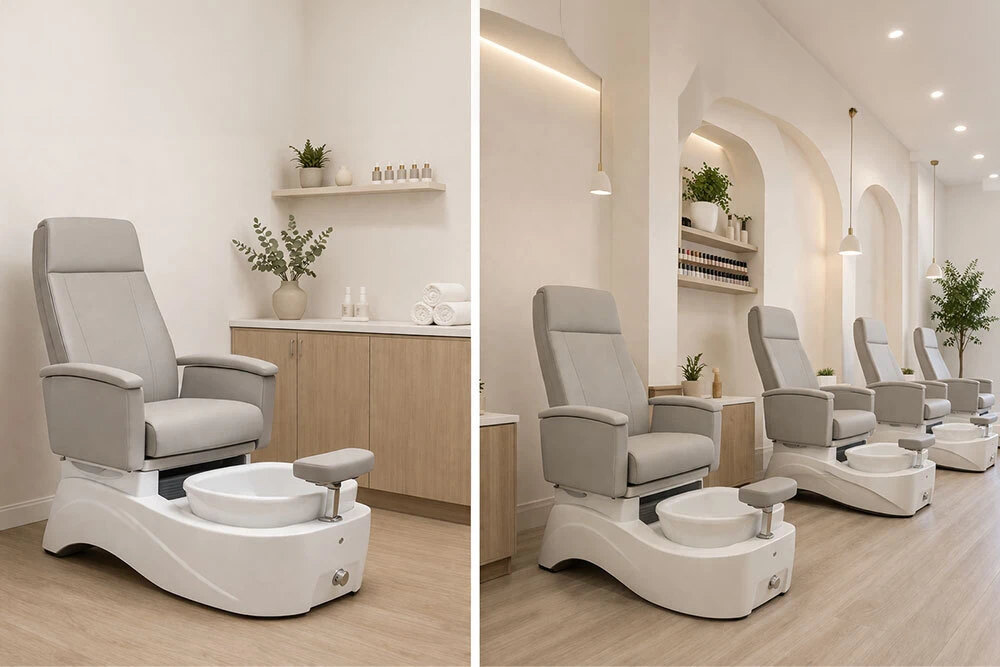
Choosing the right pedicure chair
Common Buying Mistakes
- Ignoring sanitation complexity: If cleaning procedures are too time-consuming, service flow may suffer.
- Underestimating installation needs: Plumbing and electrical requirements can increase total cost.
- Overlooking maintenance: Some systems require more ongoing upkeep than expected.
- Forgetting technician ergonomics: Daily comfort matters for productivity and long-term use.
- Choosing a system with no flexibility: Layout needs often change over time.
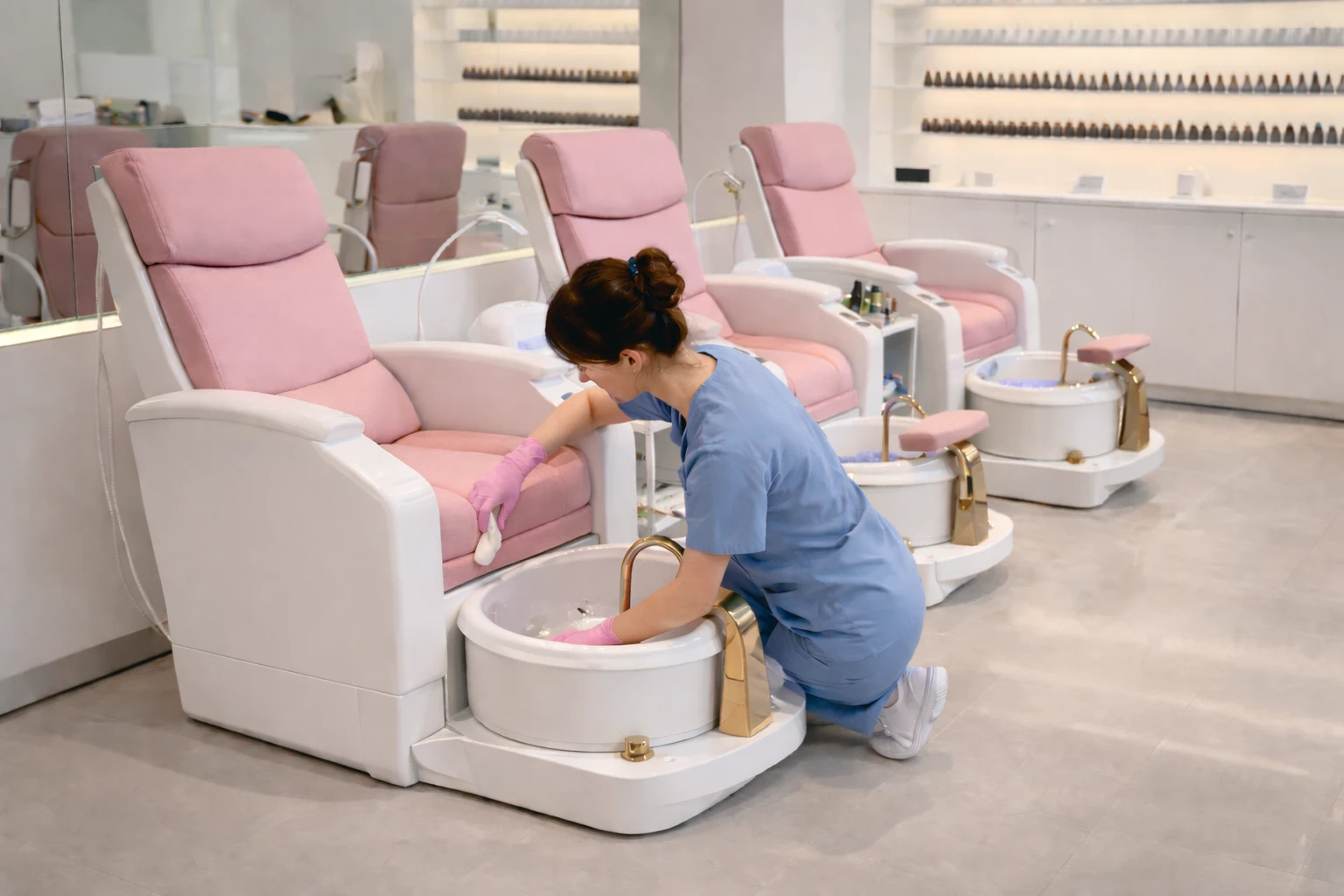
Common buying mistakes
Final Thoughts
Buying a pedicure chair is not just about selecting a piece of salon furniture. The right system affects sanitation, installation costs, maintenance, technician comfort, and the overall client experience.
By comparing plumbed, non-plumbed, and jet systems carefully — and by thinking through your layout, workflow, and sanitation priorities — you can make a more informed investment for your salon or training space.
Related Guides
Need Help Choosing the Right Pedicure Chair?
If you would like help comparing options, planning your layout, or selecting the right system for your salon, beauty suite, spa, or school, please contact Belava at 888-708-7131.